


 Cemetery Supplies


 Funeral Home Supplies

 Cremation Supplies


 Graveside Supplies

 Urn Vaults

A family chooses cremation but still wants a meaningful graveside service. Another asks whether a loved one’s urn can be buried in an existing family plot. Someone else starts planning online, then calls because they need a real person to explain the options. In the funeral and cremation industry, trends are changing, and funeral homes and cemeteries have to not only keep up, but turn preferences into services that staff can deliver thoughtfully and consistently.
At Holland Supply, our work spans cemetery, funeral home, burial vault, and cremation supplies. That gives us a practical perspective on the future of deathcare. Changing expectations eventually become equipment decisions, inventory needs, and new questions at the arrangement table.
Looking toward 2027 and beyond, there’s one priority connecting the trends: flexibility. Here are 10 developments worth preparing for—and practical ways to help the families you serve.
10 Funeral and Cremation Trends in 2027
- Rising cremation rates
- Greater personalization in services and gatherings
- Outdoor emphasis
- Transparent pricing
- Cremation planning over time
- Variety in urn vault solutions
- Environmental questions
- Human guidance
- Operational flexibility
- Ongoing relationships
1. Cremation Will Shape More of the Everyday Service Experience
Cremation is no longer a secondary consideration when planning inventory or designing services. NFDA’s 2025 Cremation & Burial Report projected a U.S. cremation rate of 63.4% for 2025, rising to 82.3% by 2045. Those are projections, not a measured 2027 rate, but the long-term direction is clear.
For providers, the opportunity goes beyond accommodating more cremations. It means making sure cremation families receive the same attention to presentation and ceremony as families choosing casket burial.
Start by reviewing your urn burial setup. Is there a designated place for the urn? Can guests see the focal point? Does the arrangement look intentional rather than improvised?
Holland Supply’s cremation stands include folding, aluminum, and stainless steel options, giving providers choices for different service environments. A dedicated stand is one practical step toward a more consistent cremation service experience.
2. Personalization Will Move Beyond Photos and Music
More and more, families want services that reflect a person’s interests, values, relationships, and cultural traditions. The shift from a consistent setup to personalization has to be recognized, and families need options for creating setups from meaningful displays to garden memorials to less formal gatherings.
Preparing for this doesn’t require creating an entirely new service for every family, but it does require a flexible foundation.
During arrangements, ask questions such as:
- What made this person feel most like themselves?
- Are there traditions you want us to include?
- Would a formal ceremony, relaxed gathering, or combination feel right?
Then translate those answers into a manageable plan. A favorite song, meaningful object, or family-led reading can carry more significance than an elaborate display.
3. Outdoor Services Will Put More Emphasis on Guest Comfort
Outdoor gatherings and nontraditional venues are part of the broader movement toward more personal, less formal memorials. Spaces with comfortable outdoor seating and tents that provide weather protection are quickly becoming the preference for many families.
For cemeteries, this also creates an opportunity to think beyond the burial itself. Families may want time for readings, storytelling, music, or quiet reflection at the graveside.
The preparation question becomes: Can guests comfortably remain here for the service they have planned?
Review seating, walking routes, shade, weather contingencies, and the distance between parking and the gathering area. Ask about mobility needs before the service rather than addressing them when guests arrive.
Cemetery tents, chairs, and artificial grass are practical elements of that preparation. Holland Supply carries these graveside essentials, allowing teams to build a coordinated setup rather than assemble one at the last minute. Tents should always be used within their operating limits, with a separate plan for unsafe weather.
4. Families Will Expect Transparent Pricing
Transparency is becoming part of the service experience for families. In NFDA’s 2025 consumer study, 64.3% of respondents felt funeral homes should be required to post prices online, and 44.9% said they would be much more likely to engage a funeral home that posted its General Price List.
As a provider, consider adjusting your pricing options to make it clear and easy for families to understand.
Explain:
- What the service includes.
- Which choices are optional.
- Which requirements come from the cemetery.
- What changes when a family selects a different product or service.
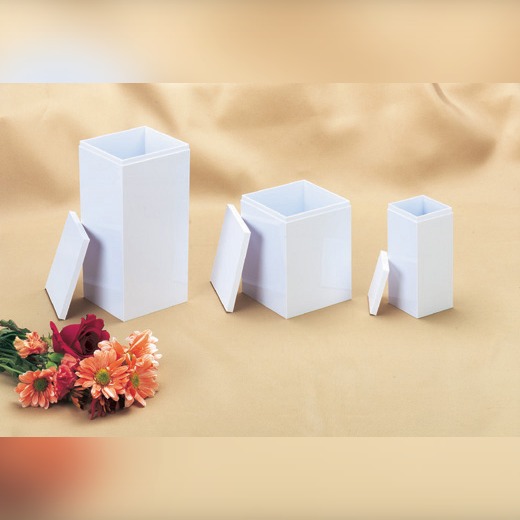
Urn vaults are a useful example. Instead of presenting several models without context, explain differences in dimensions, materials, finish, and suitability for the planned burial. Holland Supply’s urn vault selection gives providers multiple options to discuss based on the family’s needs and cemetery requirements.
The goal is not to steer every family toward the same purchase, it’s to help them make a choice they understand.
5. Cremation Planning Will Need to Allow for Decisions Made in Stages
Cremation can involve several separate decisions: the disposition itself, when to hold a gathering, whether to divide the remains, and where to establish a permanent memorial. There are a lot of options that go into the process, and because of the flexibility cremation offers, the timeline can be different for every family.
Be prepared to give the family time for decisions to unfold over days, weeks, and sometimes every years. Avoid treating every undecided detail as something that must be resolved immediately. Create a process that allows the family breathing room.
These elements can help create a clear handoff process:
- Document what the family has decided.
- Identify what remains open.
- Explain container and identification procedures.
- Offer a follow-up conversation about memorialization.
Holland Supply’s temporary cremation containers can support the period before a family selects a permanent urn or final resting place. They’re worth presenting as a practical part of the process—not as a substitute for explaining future options.
6. More Cremation Will Make Urn Fit Solutions Necessary
As cremation becomes more common, cemeteries should be prepared for a wider range of requests: a taller urn, a companion urn, or cremated remains to be interred in an existing family grave. These are different challenges, and they require different solutions.
For an existing grave, confirm interment rights, cemetery rules, burial records, available space, and required earth cover before promising that a second interment is possible. A low-profile vault may help where vertical space is limited, but suitability remains site-specific.
Read more: Flexible Urn Vault Solutions: Second Rites, Vault Risers, and the Right Fit for Every Urn
Holland Supply’s low-profile Cremains Urn Vault is an option to evaluate for these constrained situations. For a different problem—a taller urn—the Fortress Urn Vault offers optional risers that add 2 inches of vault height.
Keep the distinction clear: low-profile vaults address limited burial space; risers address urn height. Measure first, then select the product.
7. Environmental Questions Will Require Specific, Local Answers
Interest in environmentally conscious deathcare is substantial. NFDA’s 2025 consumer study found that 61.4% of respondents were interested in exploring green funeral and natural burial options. But interest doesn’t always translate to an actual selection or local availability.
Families may ask about natural burial, alkaline hydrolysis, or natural organic reduction. These are distinct processes, and providers should verify current laws, available facilities, and cemetery policies before describing them as options. Both example articles identify environmental preferences as a significant part of the changing landscape.
Prepare a straightforward local resource sheet:
- Which services can your organization provide?
- Which require a referral?
- What materials does the receiving cemetery permit?
- What costs, transportation needs, and limitations should families understand?
Avoid broad “eco-friendly” labels without explaining what they mean. For a natural burial inquiry, do not automatically recommend the same outer-container products used in a conventional cemetery. First establish what the burial ground allows and what the family hopes to achieve.
8. Digital Convenience Will Make Human Guidance Even More Essential
There’s a lot of information and planning tools online, but that doesn’t eliminate the need for personal, professional help.
The digital tools of 2027 are the beginning of a helpful conversations, but not the end of the solution.
Review your website from a family’s perspective. Can someone find pricing, understand cremation and burial choices, and contact a staff member without searching through multiple pages? Is it easy for them to get ahold of a real human—during one of the most sensitive seasons of life?
For cemeteries, consider simple explanations of urn burial, interment rights, memorial choices, and site-specific requirements. For funeral homes, clarify how online arrangements connect with an actual person.
There’s no equipment shortcut here. The investment is in accurate information, responsive communication, and staff who can pick up where the online process leaves off.
9. Operational Flexibility Will Matter as Much as Service Variety
Personalized gatherings, urn burials, and different service locations create more setup variations for staff. Providers should plan for that complexity rather than assuming crews can absorb every new request with the same workflow.
Whether running short staffed or just wanting to work smarter instead of harder, the right equipment and efficient processes can significantly cut down on both bodily strain and exhaustion for staff.
Consider options such as:
- EZ-Fold stands for reducing handling time between locations and eliminating unnecessary adjustments.
- Securing handling equipment for reducing lifting strain, such as U Bars, a Bobkart, a Hercules Lift, a Vault Lid Placer, and an Above Ground Sealing Device
- Dump trailers for less manual strain and fewer trips
- Quick-deploy or roll-around tent options
Before purchasing new items, it’s also helpful observe a complete service setup. Where does the crew make repeated trips? What requires awkward handling? Which adjustments happen every time?
Choose equipment around a documented task, train staff on its use, and evaluate the result. Efficiency should support attentive service—not rush families through it.
10. The Relationship Will Continue Beyond the Funeral
Grief support, community gatherings, and ongoing rituals can be important parts of serving a family beyond the funeral and burial.
For funeral homes, this can mean building referral relationships with grief counselors and community organizations. Cemeteries can offer clear guidance on visiting, floral policies, memorial placement, and seasonal remembrance opportunities.
Keep these efforts useful and manageable:
- Schedule a compassionate follow-up.
- Explain whom to contact with questions.
- Provide reliable grief-support resources.
- Make cemetery visits welcoming through consistent grounds and memorial care.
Funeral and Cremation Trends: Your 2027 Preparation Checklist
Use this checklist to turn industry trends into actionable improvements for your funeral home or cemetery.
| Industry trend | What to review now | Practical next step |
|---|---|---|
| Cremation’s growing role | Does your urn burial setup receive the same attention as your casket burial setup? | Evaluate dedicated cremation stands and establish a consistent service layout. |
| More personalized memorials | Can your arrangement process uncover meaningful details about each person? | Add questions about hobbies, traditions, music, and preferred gathering styles. |
| Outdoor services | Are seating, shade, walking routes, and weather contingencies addressed? | Review tents, chairs, graveside grass, and your backup plan. |
| Greater pricing transparency | Can families easily understand what is included, optional, or required? | Simplify service descriptions and explain cemetery-specific requirements. |
| Decisions made in stages | Do families know what happens if they have not selected a permanent resting place? | Establish a documented handoff and follow-up process. |
| More varied urn burial requests | Do staff check urn dimensions and burial-site constraints before selecting a vault? | Create a measurement checklist and review low-profile vault and riser options. |
| Environmental questions | Can staff explain which options are actually available locally? | Maintain an updated resource sheet covering services, referrals, and cemetery policies. |
| Digital planning | Can someone move easily from online research to personal assistance? | Review your website’s pricing information, explanations, and contact process. |
| More complex service setups | Where do crews encounter repeated trips, awkward handling, or unnecessary adjustments? | Observe a full setup and prioritize equipment improvements around specific tasks. |
| Ongoing family relationships | What support and information do families receive after the service? | Create a consistent follow-up process and provide visiting and memorial-care guidance. |
Taking time to review these steps before you have a family sitting in front of you will pay off in the long run as you establish trusting relationships with community members.
Frequently Asked Questions About Funeral and Cremation Industry Trends
What funeral and cremation trends should providers prepare for in 2027?
The most useful areas to prepare for include cremation’s continued growth, more personalized memorials, environmental questions, digital planning, and clearer pricing expectations. Rather than treating these as guaranteed changes at every location, use them to evaluate your own inquiries, service requests, and operational needs.
Does choosing cremation mean a family does not want a funeral or graveside service?
No. Cremation does not rule out a gathering, personalized ceremony, or cemetery interment. Families may choose different combinations of services and memorial options.
What’s the difference between a low-profile urn vault and an urn vault riser?
They solve opposite space problems. A low-profile urn vault may help when available burial height is limited, subject to site conditions and cemetery requirements. A riser adds height to a compatible vault to accommodate a taller urn. Holland Supply’s Fortress Urn Vault offers optional risers that add 2 inches of vault height; they are not a solution for limited space above an existing burial.
How can funeral homes and cemeteries prepare for green burial questions?
Build a clear, current explanation of what your organization and local referral partners can provide. Confirm applicable requirements and cemetery policies before recommending products or promising a service. Environmental interest is significant, but interest alone does not establish that a particular option is available or appropriate locally.
Prepare for 2027’s Funeral and Cremation Trends With Holland Supply
With over 60 years of experience in the deathcare industry, our team at Holland Supply is proud to be able to support funeral homes and cemeteries by offering quality products and personalized guidance. We have a birds’ eye view of the changing trends in the industry, and we’re happy to pass that knowledge along to you as you serve the families in your community.
Whether you’re preparing for more cremation options, hoping to provide a more comfortable experience for guests, or creating systems that make life easier on your staff, we’re here to help. Give us a call at 800-527-8818, or browse our products online.
